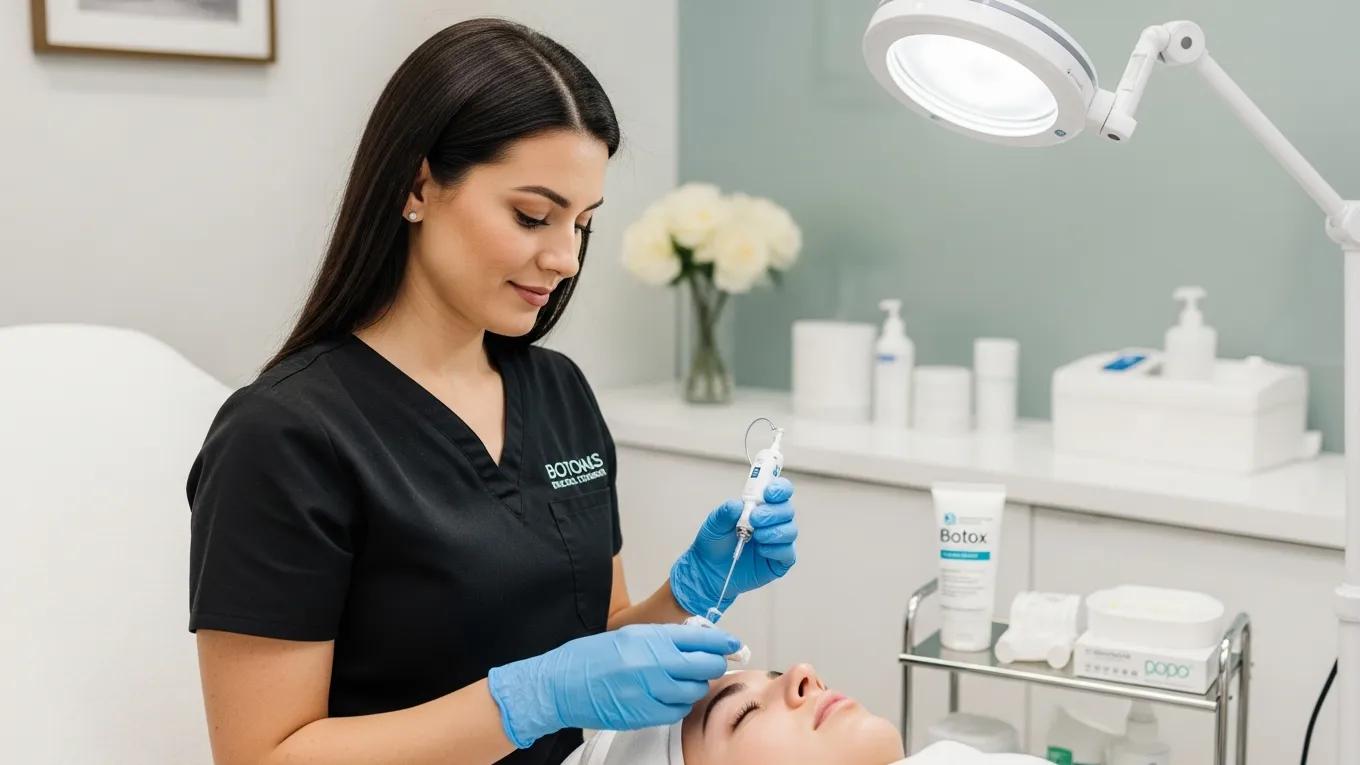

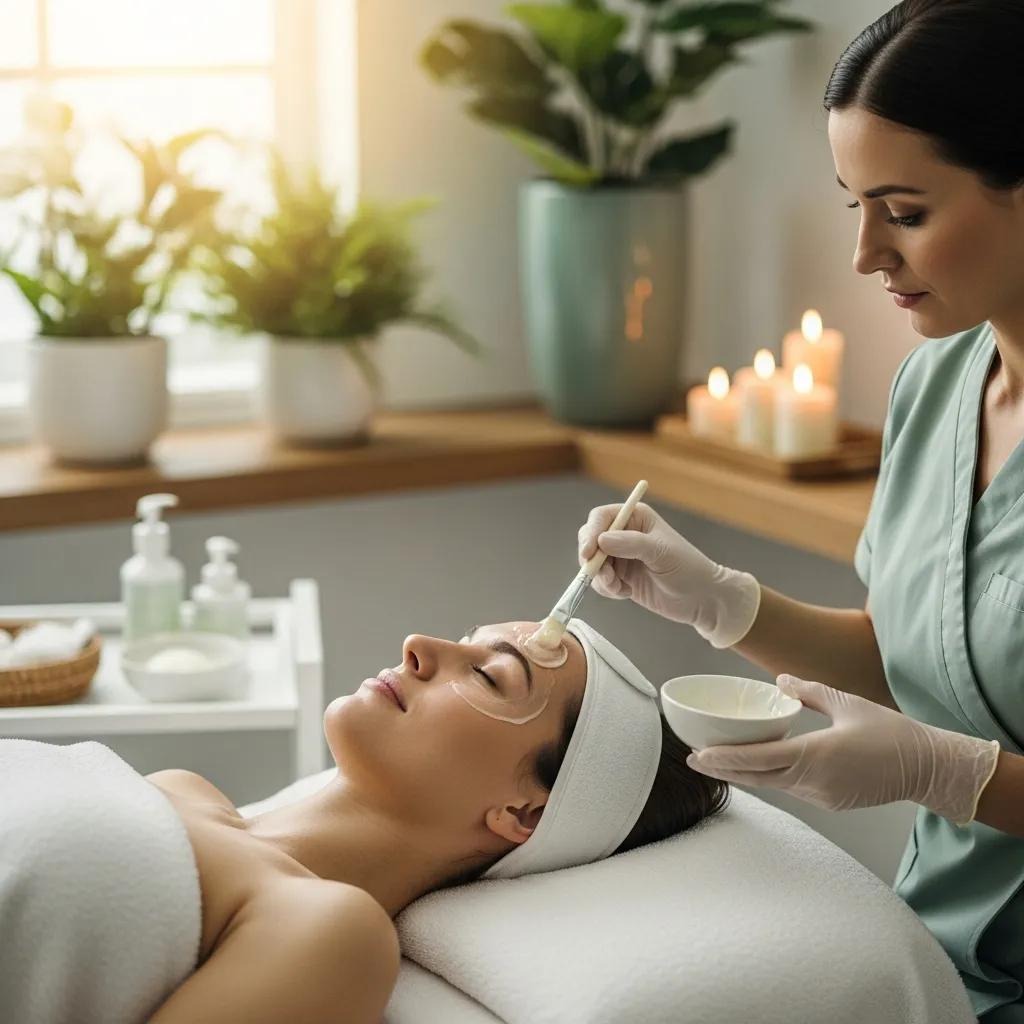
The PRP facial, commonly referred to as the vampire facial, is an innovative skin rejuvenation treatment that utilizes the body’s own healing properties to enhance skin texture and appearance. This comprehensive guide will delve into the benefits, procedure, safety, and costs associated with PRP facials, providing you with a thorough understanding of this advanced aesthetic treatment. Many individuals seek effective solutions for skin aging, dullness, and uneven texture, and the PRP facial offers a promising approach by harnessing platelet-rich plasma to stimulate collagen production and promote skin renewal. In this article, we will explore the science behind PRP facials, the expected results, what to anticipate during the procedure, potential side effects, and how to find the best PRP facial services in your area.
Research consistently supports the effectiveness and safety of PRP for facial skin rejuvenation, particularly in stimulating new collagen formation.
PRP for Facial Skin Rejuvenation: Efficacy, Safety, and Collagen
This study was a prospective controlled clinical study to evaluate the efficacy and safety of intradermal injection of PRP in the human facial rejuvenation. Results: The results showed that PRP is a safe choice as a cosmetic procedure for facial skin rejuvenation. In conclusion, PRP can be used as an effective and safe treatment for facial skin rejuvenation.
Histologic evidence of new collagen formulation using platelet rich plasma in skin rejuvenation: a prospective controlled clinical study, H Yildiz, 2016
What is a PRP Facial and How Does It Work?
A PRP facial is a cosmetic procedure that involves drawing a small amount of the patient’s blood, processing it to extract platelet-rich plasma, and then applying this plasma to the skin, often combined with microneedling. The mechanism behind this treatment lies in the growth factors present in the plasma, which stimulate collagen production and enhance skin rejuvenation. By promoting cellular regeneration, PRP facials can improve skin texture, reduce fine lines, and enhance overall skin tone.
Further studies delve into the precise mechanisms by which PRP promotes skin rejuvenation, highlighting its impact on dermal fibroblasts and extracellular matrix remodeling.
PRP for Skin Rejuvenation: Mechanism and Dermal Fibroblast Effects
Autologous platelet-rich plasma has attracted attention in various medical fields recently, including orthopedic, plastic, and dental surgeries and dermatology for its wound healing ability. Further, it has been used clinically in mesotherapy for skin rejuvenation.ObjectiveIn this study, the effects of activated platelet-rich plasma (aPRP) and activated platelet-poor plasma (aPPP) have been investigated on the remodelling of the extracellular matrix, a process that requires activation of dermal fibroblasts, which is essential for rejuvenation of aged skin.
Can platelet-rich plasma be used for skin rejuvenation?
Evaluation of effects of platelet-rich plasma on human dermal fibroblast, DH Kim, 2011
Understanding Platelet Rich Plasma and Collagen Induction Therapy
Platelet-rich plasma (PRP) is derived from the patient’s blood and contains a high concentration of growth factors that are essential for healing and tissue regeneration. When applied to the skin, PRP stimulates collagen induction therapy, which enhances the skin’s natural healing processes. This results in improved elasticity, reduced wrinkles, and a more youthful appearance. The combination of PRP with collagen induction therapy maximizes the rejuvenating effects, making it a popular choice for those seeking non-surgical skin enhancement.
The autologous nature of PRP, derived directly from the patient’s own blood, makes it a highly attractive and safe option for tissue regeneration without immunogenic risks.
PRP: Economical, Autologous Therapy for Tissue Regeneration
Platelet-rich plasma (PRP) contains a high concentration of platelets than naïve plasma and has an autologous origin with no immunogenic adverse reactions. As a consequence, PRP has gained significant attention as a therapeutic to augment the healing process. Since the past few decades, a robust volume of research and clinical trials have been performed to exploit extensive role of PRP in wound healing/tissue regeneration.
Platelet-rich plasma: a comparative and economical therapy for wound healing and tissue regeneration, 2023
How Microneedling Enhances PRP Skin Treatment
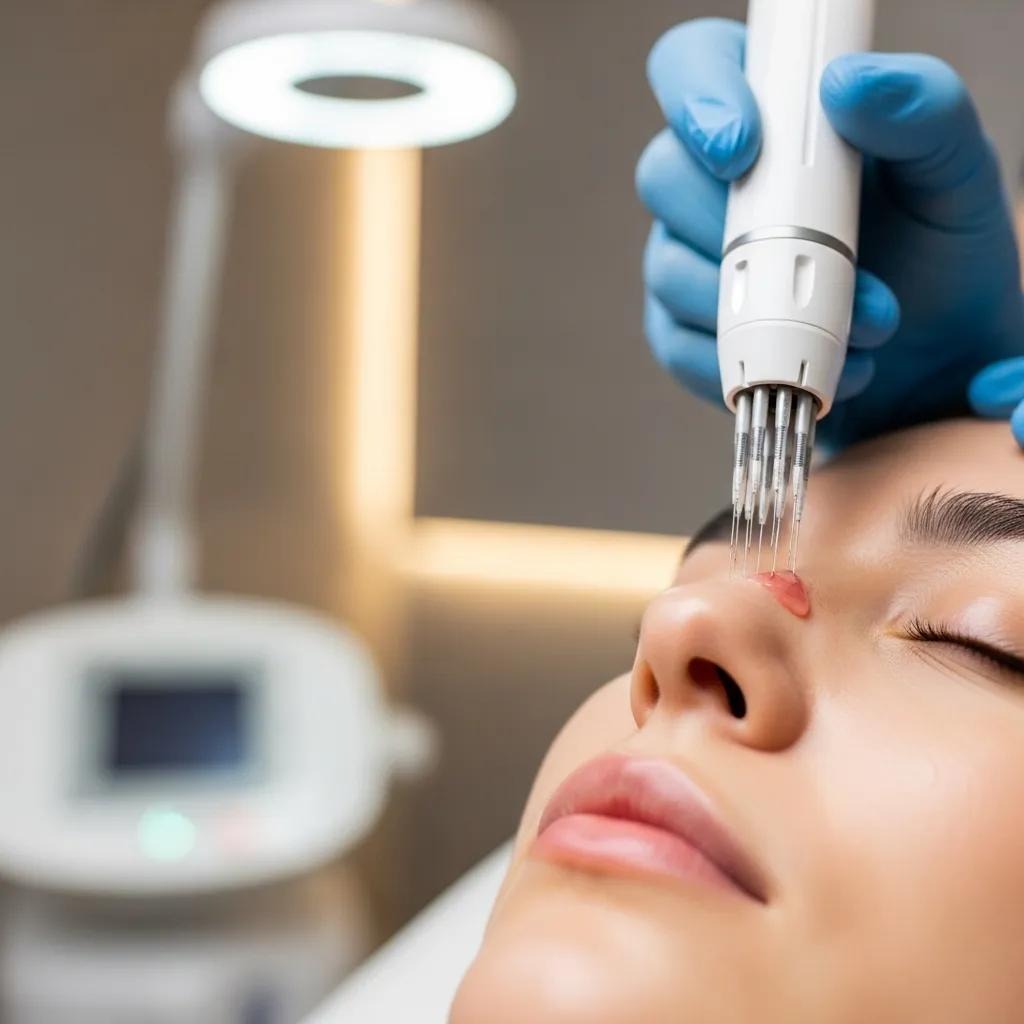
Microneedling is often combined with PRP facials to enhance the treatment’s effectiveness. During the procedure, tiny needles create micro-injuries in the skin, which triggers the body’s healing response. When PRP is applied immediately after microneedling, it penetrates deeper into the skin, allowing for better absorption of growth factors. This synergy not only accelerates healing but also amplifies the overall rejuvenation effects, leading to more significant improvements in skin texture and tone.
What Are the Benefits and Expected Results of a Vampire Facial?
PRP facials offer a range of benefits that contribute to skin rejuvenation and overall aesthetic improvement. The expected results can vary based on individual skin conditions and treatment frequency, but many patients report noticeable improvements after multiple sessions rather than just one.
Skin Rejuvenation and Anti-Aging Effects of PRP Facials
The primary benefit of PRP facials is their ability to rejuvenate the skin by stimulating collagen production. Patients often experience:
- Improved Skin Texture: The treatment enhances the smoothness and overall appearance of the skin.
- Reduction in Fine Lines: PRP facials can diminish the appearance of fine lines and wrinkles, providing a more youthful look.
- Enhanced Skin Tone: The procedure promotes a more even skin tone, reducing discoloration and blemishes.
These benefits make PRP facials an attractive option for individuals looking to combat the signs of aging and achieve healthier skin.
Comparing PRP Facial Benefits with Other Anti-Aging Treatments
When comparing PRP facials to other anti-aging treatments, several key differences emerge. Unlike injectables such as “Botox” or fillers, which provide temporary results, PRP facials promote natural healing and regeneration. Additionally, PRP treatments have minimal downtime and use the body’s own resources, reducing the risk of allergic reactions or adverse effects.
| Treatment Type | Mechanism | Duration of Results | Downtime |
| PRP Facial | Stimulates collagen production | Typically 6-12 months, varies by individual | Minimal to moderate (due to microneedling) |
| Botox | Temporarily paralyzes muscles | 3-6 months | Minimal |
| Dermal Fillers | Adds volume to specific areas | 6-18 months depending on filler type | Minimal |
This table illustrates how PRP facials provide a unique approach to skin rejuvenation, focusing on natural healing rather than temporary fixes.
What to Expect During the PRP Facial Procedure?
Understanding the PRP facial procedure can help alleviate any concerns and prepare you for the treatment. The process typically involves several key steps, ensuring a safe and effective experience.
Step-by-Step Overview of the Vampire Facial Process
- Consultation: A thorough consultation is conducted to assess the patient’s skin and discuss goals.
- Blood Draw: A small amount of blood is drawn from the patient, usually from the arm.
- Processing: The blood is placed in a centrifuge to separate the platelet-rich plasma from other blood components.
- Microneedling (if applicable): Microneedling is performed to create micro-injuries in the skin.
- Application of PRP: The processed PRP is applied to the skin, allowing it to penetrate deeply.
This step-by-step overview highlights the meticulous nature of the PRP facial procedure, ensuring that patients receive optimal care throughout the process.
Preparation and Aftercare for Optimal Skin Rejuvenation
Proper preparation and aftercare are essential for achieving the best results from a PRP facial. Patients are advised to:
- Avoid Blood Thinners: Refrain from taking medications like aspirin or ibuprofen before the procedure to minimize bruising.
- Stay Hydrated: Drink plenty of water leading up to the treatment to ensure optimal blood quality.
- Follow Aftercare Instructions: After the procedure, patients should avoid sun exposure, strenuous exercise, and harsh skincare products for a few days to allow the skin to heal properly.
Following these guidelines can enhance the effectiveness of the treatment and promote faster recovery.
Are PRP Facial Side Effects and Safety Concerns?
While PRP facials are generally considered safe, it is important to be aware of potential side effects and safety concerns associated with the procedure.
Common Side Effects and How to Manage Them
Some common side effects of PRP facials may include:
- Mild Swelling: Temporary swelling at the treatment site is normal and usually subsides within a few days.
- Bruising: Some patients may experience bruising, which can be minimized by avoiding blood thinners prior to treatment.
- Redness: Mild redness may occur, but it typically resolves quickly.
These side effects are generally mild and can be managed with proper aftercare.
Patient Eligibility and Contraindications for PRP Treatments
Not everyone is a suitable candidate for PRP facials. Individuals with certain conditions, such as:
- Blood Disorders: Conditions that affect blood clotting may disqualify a patient from receiving PRP treatment.
- Active Infections: Skin infections or other active infections should be treated before undergoing the procedure.
- Pregnancy and Breastfeeding: Pregnant or breastfeeding women are generally advised to avoid PRP treatments due to limited safety data.
Consulting with a qualified provider is essential to determine eligibility and ensure safety.
How Much Does a PRP Facial Cost and Where to Find the Best PRP Facial Near Me?

The cost of a PRP facial can vary based on several factors, including the provider’s expertise, location, and the specific techniques used during the treatment.
Factors Influencing PRP Skin Treatment Cost in Zanesville
In Zanesville, the average cost of a PRP facial typically ranges from $500 to $1,500 per session. Factors that can influence the price include:
- Provider Experience: More experienced practitioners may charge higher fees due to their expertise.
- Facility Quality: High-end medical spas or clinics may have higher operational costs, reflected in their pricing.
- Treatment Packages: Some providers offer package deals for multiple sessions, which can reduce the overall cost.
Tips for Choosing a Qualified Provider for Your Vampire Facial
When selecting a provider for your PRP facial, consider the following tips:
- Check Credentials: Ensure the provider is licensed and has experience in performing PRP treatments.
- Read Reviews: Look for patient testimonials and reviews to gauge the quality of care.
- Ask Questions: Don’t hesitate to ask about the procedure, expected results, and aftercare during your consultation.
By following these tips, you can find a qualified provider who meets your needs and ensures a safe and effective PRP facial experience.
To learn more about our services, visit “Revitalized MedSpa” today.
If you’re considering “body sculpting”, it’s essential to consult with experienced professionals who can guide you through the process and help you achieve your desired results.
For more information or to schedule a consultation, please “contact us”.